

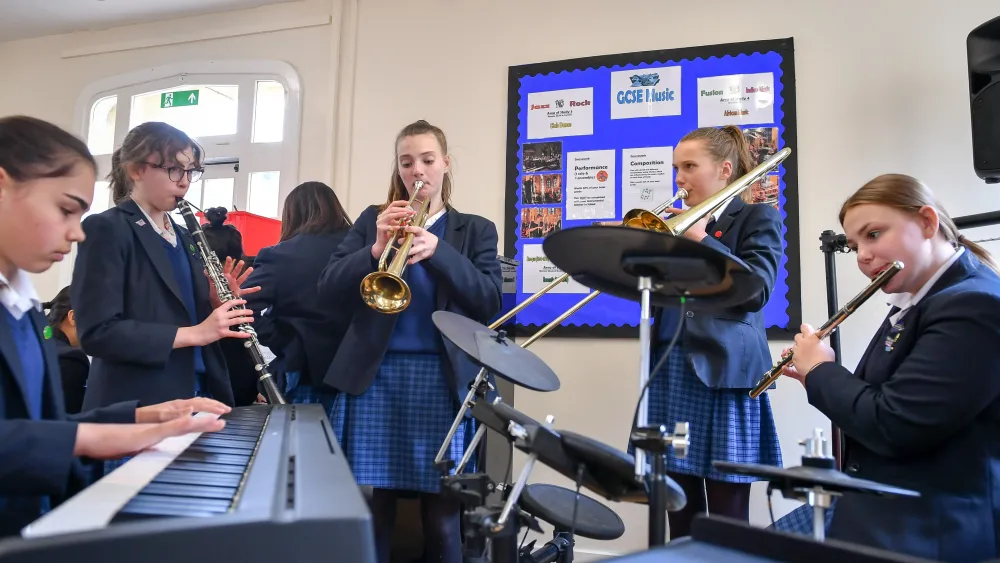
The number of school pupils learning a musical instrument has increased by almost 30,000 after “unfair” charges were removed, Scotland’s Education Secretary said.
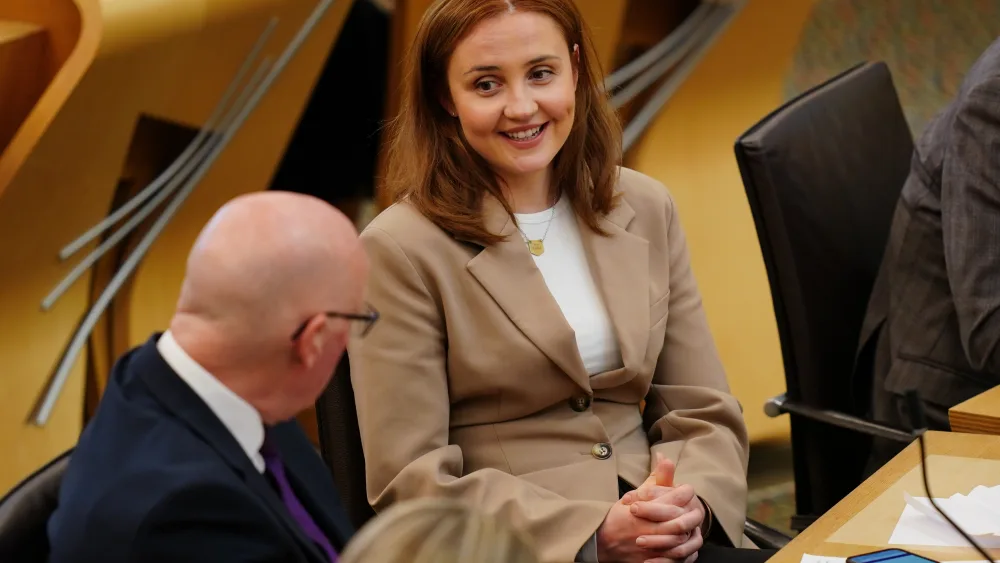
Mairi McAllan said that annual government funding of up to £12 million to fund lessons had “transformed instrumental music tuition in Scotland’s schools”.
New figures showed that in 2024/25 70,075 school pupils were learning an instrument – with this just over 10% of the eligible school roll and a rise from 41,594 in 2020/21.
It comes after the Scottish Government announced the scrapping of school music charges back in July 2021.
A new report revealed that playing an instrument has helped some youngsters who had been struggling with social anxiety and other mental health challenges.
It added that school music departments are seen as a “safe space” by students, where they feel supported within school.
While all 32 councils now offer free music tuition in schools the We Make Music Now report identified some “challenges”, including waiting lists for classes in some areas, and lower uptake in more deprived areas, where there are also fewer performance opportunities for youngsters.
Despite this Ms McAllan said: “The Scottish Government has transformed instrumental music tuition in Scotland’s schools by funding councils to eradicate unfair charges.
“All children should have the opportunity to take part in instrumental music as a core element of education, without being limited by a family’s ability to pay.”
The Education and Culture Secretary added there were “wide-ranging benefits” in providing music lessons free to all, saying these were “not only in developing new skills but in growing confidence, supporting mental health and creating a sense of belonging”.
She said the Scottish Government would continue to work with the local government body Cosla and the music education sector to “ensure an inclusive approach to music tuition that addresses potential barriers to participation”.
Ian Mills, chairman of the Music Education Partnership Group (MEPG) meanwhile stated: “The We Make Music Now research demonstrates the initial successes of the commitment made to ensure the provision of free instrumental music instruction in schools.”
However, he added that “as well as the successes, there are undoubted challenges and areas for growth raised in the work”.
Mr Mills said: “MEPG looks forward to supporting local authority music services and the Scottish Government in considering the recommendations made in the report to ensure that pupils are gaining maximum benefit from the Government’s investment in music.”