

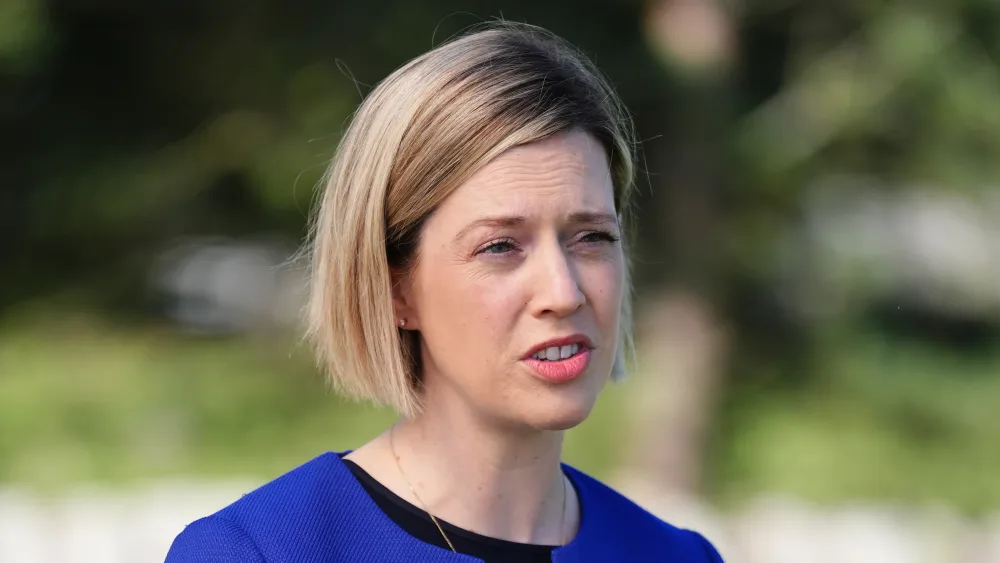
The Scottish Government “cannot stand still” on public service reform, the Deputy First Minister has said amid criticism of its proposals.
Speaking on BBC Radio Scotland’s Sunday Show, Jenny Gilruth said ministers “have to move” to ensure services are improved.
She said: “If you go out and you speak to folk in our local communities, they’ve got really strong views about their council services, and rightly so.
“We need to move at pace to improve the availability of local services. We recognise the need in our communities.
“I should also say, from a sustainability point, there are real challenges in local government finance at the current time, so we cannot stand still on these issues. We have to move.
We want to drive the improvements we need to see in our public services. We have to do that through reform
“There are opportunities for us through reform to deliver better services in people’s communities that are closer to people at their point of need, and that’s all that this is about. So we’re working with Cosla on this.”
Ms Gilruth said she could not “ascribe numbers” on the costs surrounding proposed reform.
She said: “We have to work with local government on the end-point we’re going to get to here, so I will not ascribe numbers to the current time. We want to drive the improvements we need to see in our public services. We have to do that through reform.”
The Scottish published proposals on Monday that suggested the current 32-council structure could be scrapped and replaced with a two-tier system of regional and more local bodies.
The 1,800-word paper suggested replacing the current structure with between six and 10 regional authorities, which could be given powers over larger planning decisions, education and economic development, and between 120 and 160 more local “community” authorities, which would control local planning decisions, licensing and the historic environment.
The paper also suggested that responsibilities currently held by one of Scotland’s roughly 130 public bodies could be given to either of the authorities.
Separate set-ups for Scotland’s islands would also be required, according to the paper.
Cosla has been critical of the proposals, saying they “leave more questions than answers”.
Also speaking on the Sunday Show, Cosla vice-president Steven Heddle was asked if Ms Gilruth’s proposed changes can be achieved before the council elections in May next year.
Mr Heddle said: “I don’t realistically think that we can come to a decision of this nature without knowing exactly what it’s going to involve.
“Your own question with probing; what’s it going to cost, what are the implications, and will it actually achieve the objectives that the Scottish Government have stated around bringing democracy closer to the people and achieving savings?
“I think we’ve been quite clear in local government that we’re the part of the public sector that’s least able to deliver savings or least able to deliver efficiencies, which we’ve been doing for about 10 years already.”
The Scottish Conservatives have also criticised the proposals.
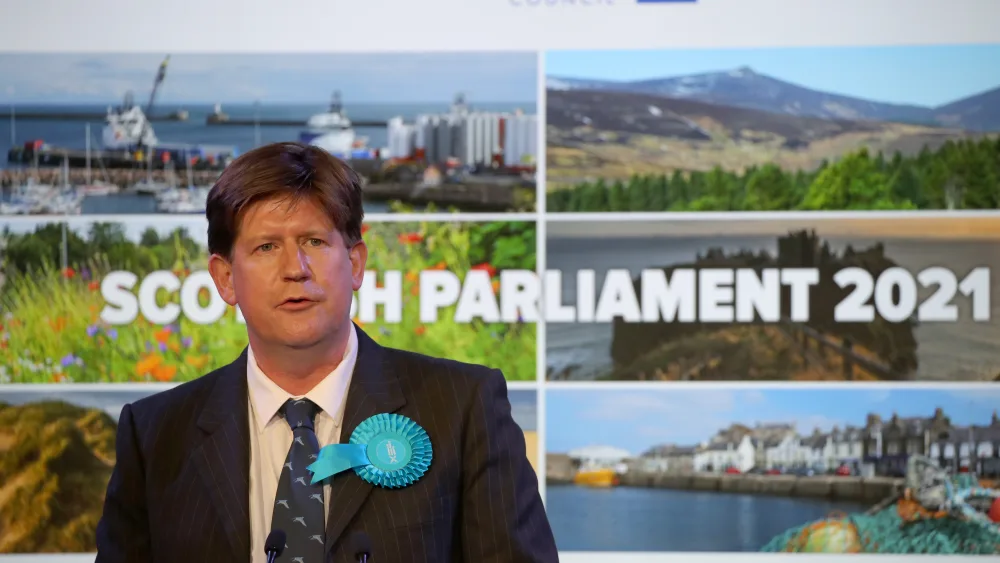
Tory local government reform spokesman Alexander Burnett said: “Jenny Gilruth’s latest car crash interview exposed that neither she, nor the SNP, have a clue about the consequences of these half-baked measures.
“It’s astounding that the Scottish Government can’t say if these proposals will actually improve the delivery of local services.
“Nationalist ministers have been bleeding Scotland’s cash-strapped councils dry for years and their unsustainable funding model has left many local authorities on the brink.
“It’s clear no work has been done on the detail of these proposals and that the SNP are clearly making these reforms up as they go along, rather than being honest with Scots about what they are planning.”