

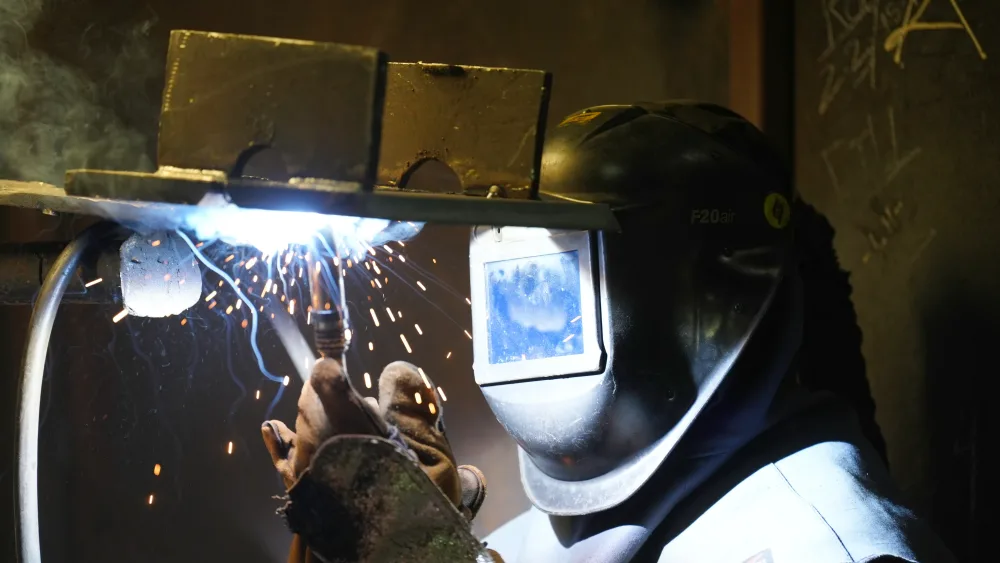
Holyrood’s “centralised” approach to skills has failed, Michael Marra will say, after analysis by his party showed apprenticeships for young people have fallen by nearly a third since 2016.
Speaking at Babcock’s Rosyth shipyard in Fife on Friday, the Scottish Labour leader will call for greater regional control over skills and training.
Scottish Labour says the UK Government has backed British shipbuilding with a £6 billion investment in three new floating docks for the Royal Navy’s submarine service at HM Naval Base Clyde, alongside wider investment in the country’s maritime industries.
The party says the investment is a major opportunity for Scotland’s shipbuilding, engineering and manufacturing sectors.
In this area, Holyrood’s centralised approach to skills has failed. We need to hand over power to local people and communities
But it says the opportunity must translate into skilled jobs, apprenticeships and better prospects for people across Scotland.
Babcock’s Type 31 programme supports around 2,500 skilled jobs across Scotland and the UK supply chain, including 400 apprenticeships.
However, a lack of trained welders in Scotland has meant the company has had to use workers from overseas.
According to analysis by Scottish Labour, the number of apprenticeships starts by people under 25 has fallen by more than 6,000 (32%) since 2016.
However, the number of applications for those over 25 in the same period rose by more than 5,000, or 106%.
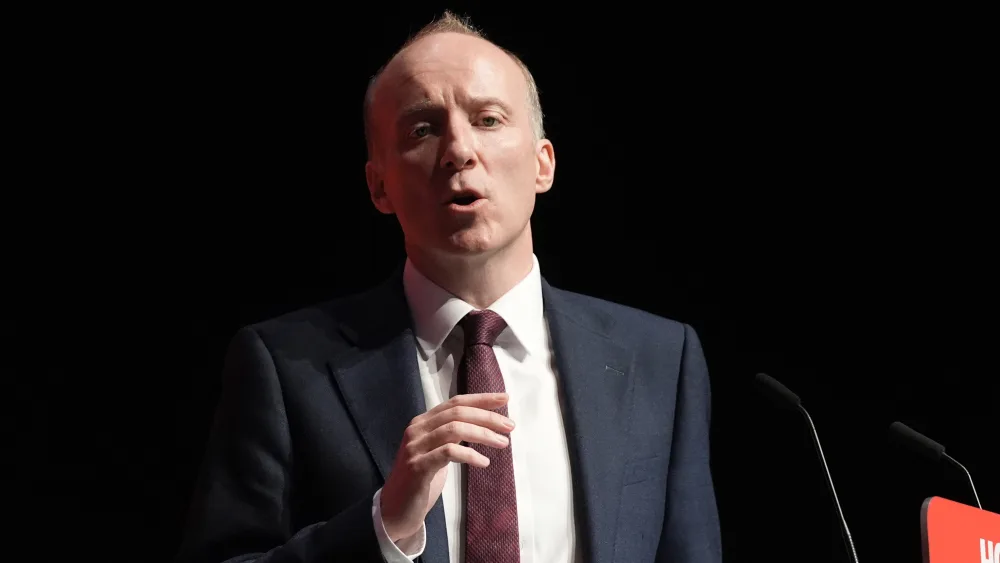
Meanwhile, one in six young people are not in education, training or employment.
Mr Marra is expected to call for regional leaders to have greater powers to bring together colleges, employers and training providers to ensure young people have the skills industry need.
He is expected to say: “Scotland has world-class shipyards, outstanding engineering expertise and the talent to lead the next generation of British industry.
“Here at Rosyth, Babcock is building the next generation of Royal Navy frigates. Across Scotland, billions of pounds of defence investment offer a huge opportunity to create skilled jobs, strengthen our industrial base and open up new careers for young people.

“But investment alone is not enough. We must make sure people in our communities have the skills to take advantage of these opportunities.
“In this area, Holyrood’s centralised approach to skills has failed. We need to hand over power to local people and communities.”
Mr Marra will say decisions about the skills needed in shipyards, the energy industry and advanced manufacturing “should be shaped by the people who understand those industries best”.
He will add: “There are billions of pounds of investment on the table here.
“Scottish workers should be given the skills to grab it. Let’s turn that investment into opportunity: good jobs, stronger local economies and a new generation of skilled workers building Scotland’s future.”
A spokesperson for the Scottish Government said: “We are implementing reforms to create a more joined-up skills and post-school education system, and the Scottish Funding Council (SFC) will have responsibility for all apprenticeships from April 2027.
“The SFC is required to establish an apprenticeship committee with representation from employers, apprentices, colleges and universities, while taking into account the views of local authorities. Our City and Regional Growth Deals, backed by over £1.9 billion investment, are also helping to ensure skills reflect needs at regional level.
“The Scottish Government will support at least 150,000 apprenticeship opportunities during this Parliament, and develop an apprenticeship accelerator grant to help employers – particularly small and medium enterprises – invest in the workforce of the future.
“The annual participation measure showed in 2025 that 93.3% of 16 to 19-year-olds in Scotland were in education, employment or training. We remain focused on getting that number even higher.”