

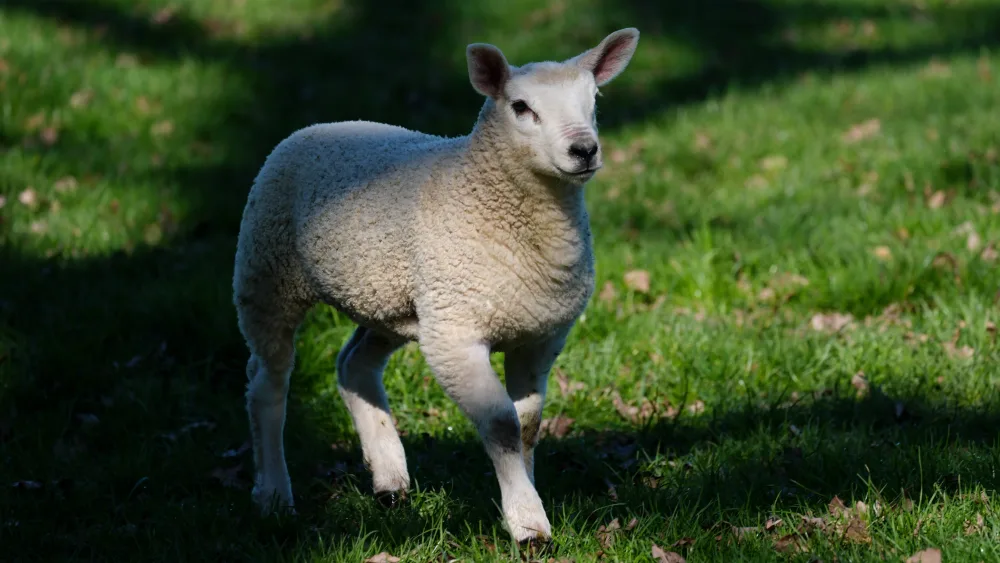
Sixteen people have fallen ill after visiting a petting farm near Edinburgh.
Health officials are investigating the cases of cryptosporidium which have been traced to Craigies Farm, South Queensferry.
The disease can be carried by a wide range of farm animals including sheep, goats, cattle and pigs, and can cause symptoms including diarrhoea, stomach cramps, nausea and vomiting.
People can pick up the infection by touching animals or through contact with buildings where animals have been kept, and fields, gates and fences.
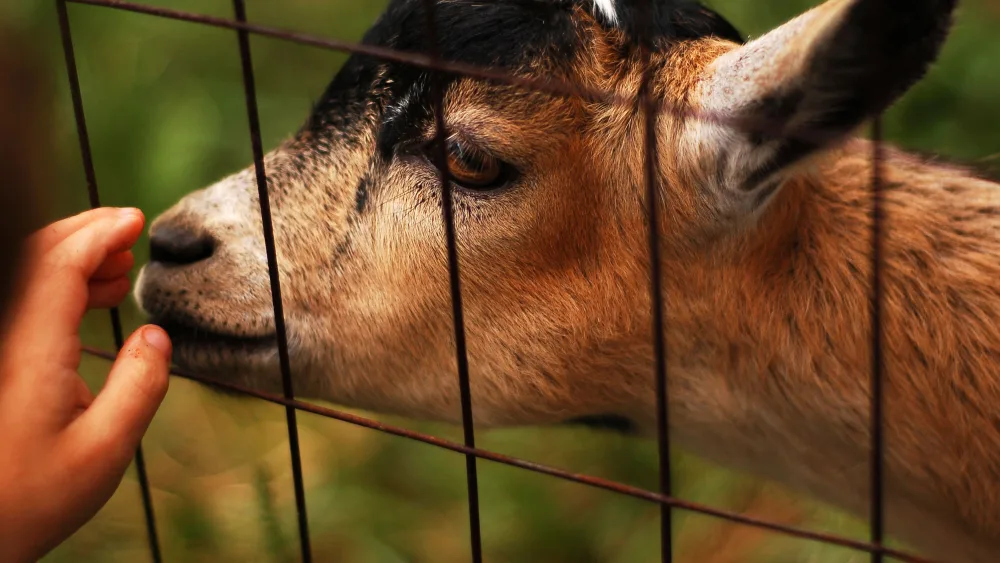
Craigies Farm said the health and safety of visitors is its priority and it has been working closely with the Edinburgh Environmental Health team and is following all guidance as well as strengthening cleaning procedures.
Dr Graham Mackenzie, consultant in public health medicine at NHS Lothian and the East Region Health Protection Service, said: “We are aware of 16 confirmed cases with links to a visitor attraction in Lothian and they are being closely monitored.
“Investigations are continuing and we are working closely with colleagues in hospital and primary care to ensure that, if any further cases arise, they receive appropriate and timely care.
“Environmental health has worked closely with the visitor attraction.
Farm animals can carry germs, so even if your hands don’t look dirty, always wash them with soap and water after touching animals or the places they’re kept 🧼
For more advice on keeping well outdoors, visit: https://t.co/RpJFeuq6ki #SafeFarmVisits pic.twitter.com/t3wiChyb8R
— NHS Lothian (@NHS_Lothian) May 1, 2026
“We generally see a seasonal increase in cryptosporidium cases in springtime and all cases are investigated to identify a source.
“To reduce the risk of infection it is important to wash your hands after contact with animals or areas where they are kept.”
Anyone with severe symptoms is advised to contact their GP or NHS 24 on 111.
A Craigies Farm spokesperson said: “We are aware of a small number of visitors who have reported illness following visits to the farm and we take this very seriously.
“Cryptosporidiosis is a recognised, seasonal infection associated with animal contact environments, particularly in young lambs, and cases do occur each year across the UK.
“Our lamb feeding experience ran as planned and concluded on 4 May. We have been working closely with the Edinburgh Environmental Health team, who have visited the farm and are satisfied with the controls, procedures and hygiene measures in place. We continue to follow all guidance provided.
“We also work alongside the National Farm Attractions Network, a UK-wide organisation that supports farms and environmental health teams with best practice guidance to ensure these types of experiences can operate as safely as possible.
“As with all farms, the key control is good hygiene, particularly thorough handwashing after contact with animals. We provide handwashing facilities, clear guidance before, during and after the experience, and removed higher contact elements such as lamb cuddling to further reduce risk.
“Following recent discussions, we have also taken additional steps to strengthen cleaning procedures within animal areas.
“The health and safety of our visitors is our priority, and we will continue to review and improve our processes where required.”